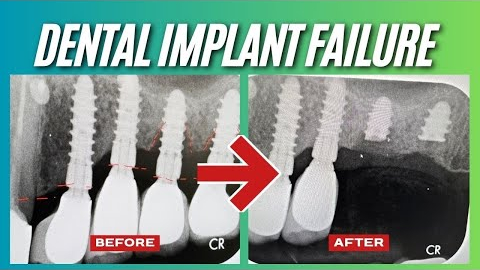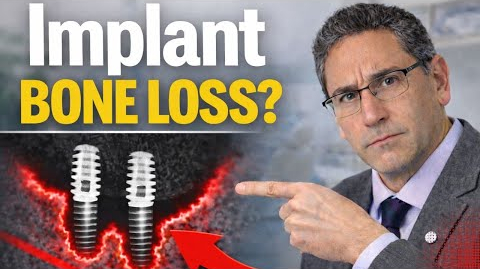
Dental implants are designed to last for many years, but they still depend on healthy gum tissue and supporting bone for long-term success. When bone loss develops around an implant—often because of inflammation or peri-implant disease—it can threaten the stability of the implant if left untreated.
For many patients in Poway, CA, the earliest warning signs are easy to miss. Minor bleeding while brushing, tenderness around the implant, gum recession, or bone loss visible on a dental X-ray may appear before significant discomfort develops. The good news is that early treatment can often help preserve the implant and reduce the need for more extensive procedures.
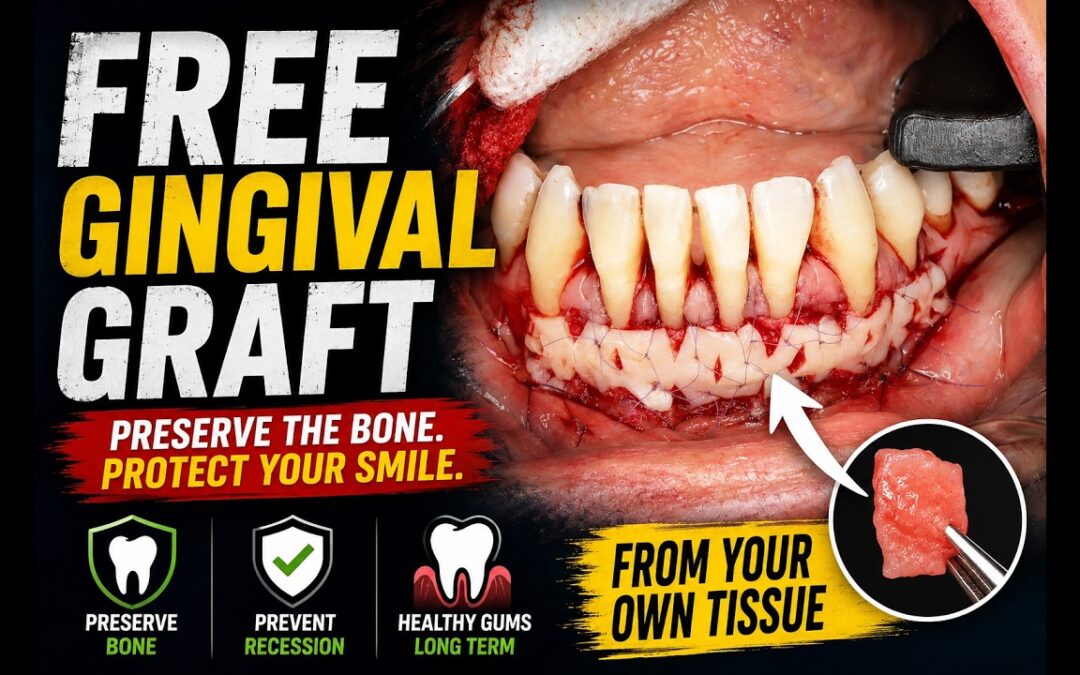
Watch: See how gum grafting can help protect dental implants affected by bone loss.
What Does Bone Loss Around a Dental Implant Mean?
Bone loss around a dental implant is often associated with inflammation in the surrounding gum tissue. Over time, this inflammation can damage the bone that supports the implant, making the area more difficult to clean and maintain.
Unlike natural teeth, dental implants do not have a periodontal ligament, and the tissues around them have a different blood supply. These differences can make healing and regeneration more challenging in certain situations, especially when bone loss develops in narrow or difficult-to-access areas.
This is why early intervention matters. Once the tissue around the implant becomes inflamed or difficult to maintain, the condition may continue to progress. Regular professional evaluations can help identify changes before the implant loses significant support.
Why Bone Grafting Is Not Always the Only Solution
When patients hear “bone loss,” they often assume that bone grafting is automatically the best treatment.
In some cases, bone grafting for dental implants can successfully rebuild missing bone. However, regenerating bone directly around an existing implant can be more challenging depending on the amount and pattern of bone loss, the implant’s position, the surrounding anatomy, and the health of the implant surface.
Bone regeneration may be less predictable when:
- The bone defect is narrow or difficult to access
- Blood supply to the area is limited
- The implant surface is contaminated or difficult to clean
- The surrounding gum tissue is thin or unstable
- The implant position makes long-term hygiene difficult
In these situations, attempting to rebuild bone alone may not address the underlying problem. Treatment may also need to improve the health and thickness of the surrounding gum tissue.
A Different Approach: Strengthening the Gum Tissue
Instead of focusing only on rebuilding bone, treatment may also aim to improve the soft tissue surrounding the implant.
This is where gum grafting may be helpful.
By increasing the amount of healthy keratinized gum tissue around the implant, gum grafting can create an environment that is easier to clean, more comfortable to maintain, and more resistant to inflammation and recession.
Potential benefits may include:
- Improved comfort while brushing
- Easier plaque removal around the implant
- Reduced inflammation of the surrounding gum tissue
- Greater resistance to future gum recession
- Better protection for the remaining bone around the implant
Improving the soft-tissue environment may also reduce the risk of developing peri-implantitis and gum infections around dental implants.
What Is Biotype Conversion?
Biotype conversion refers to changing thin, fragile gum tissue into thicker, more durable tissue.
Some patients naturally have thin tissue around their teeth and implants. Around a dental implant, this may make the area more sensitive, difficult to clean, and vulnerable to recession or inflammation.
Keratinized tissue is the firm, durable gum tissue that surrounds healthy teeth and implants. Having an adequate band of this tissue may make brushing more comfortable and help patients maintain better plaque control.
Gum grafting can increase tissue thickness and create a more stable environment around the implant. Over time, this may improve comfort, support better oral hygiene, and reduce the risk of additional soft-tissue breakdown.
How Does Gum Grafting Around a Dental Implant Work?
Gum grafting is a precise procedure designed to strengthen the tissue surrounding a dental implant.
A small amount of tissue may be taken from the roof of the mouth and placed in the area where additional support is needed. In some cases, another grafting material may be used depending on the patient’s anatomy and treatment needs.
The treatment site is carefully prepared to establish a healthy blood supply so the graft can heal and integrate with the surrounding tissue.
As healing progresses, the tissue becomes thicker and more resilient. For many patients, this can improve comfort while brushing and make the implant easier to maintain over time.
Learn more about Poway Perio’s approach to long-term dental implant care.
Why Thick Gum Tissue Matters Around Dental Implants
Thin or sensitive gum tissue can create an unhealthy cycle:
Brushing feels uncomfortable → the area is avoided → plaque accumulates → inflammation worsens.
Thicker gum tissue can help interrupt that cycle. A stronger band of tissue may create a more stable and comfortable environment, making it easier to brush and clean around the implant.
This can help reduce plaque accumulation, control inflammation, and protect the remaining supporting bone.
Ongoing professional care is also important after treatment. Regular periodontal maintenance allows the gum tissue, implant stability, and surrounding bone levels to be monitored over time.
When Should a Dental Implant Be Evaluated?
Bone loss around a dental implant is not always obvious during its early stages. Some patients only learn about it during routine dental imaging, while others notice changes sooner.
Possible warning signs include:
- Bleeding around the implant
- Red or swollen gum tissue
- Tenderness while brushing
- Persistent bad taste or odor
- Gum recession or visible implant threads
- Food trapping around the implant
- Discomfort while chewing
- Movement of the implant or implant restoration
- Bone loss visible on dental X-rays
If you are experiencing any of these symptoms, it is important to have the implant evaluated before the condition progresses.
Can Bone Loss Around a Dental Implant Be Prevented?
Not every case of bone loss can be prevented, but excellent home care and regular professional monitoring can significantly reduce the risk of peri-implant disease.
Helpful preventive steps include:
- Brush carefully around the implant twice daily
- Floss or use implant-safe interdental cleaners every day
- Attend regular professional cleanings and implant evaluations
- Avoid smoking and other tobacco products
- Manage conditions that may affect healing, such as diabetes
- Report bleeding, swelling, or recession promptly
Patients with a history of gum disease, smoking, diabetes, or previous implant complications may benefit from more frequent evaluations.
Dental Implant Treatment in Poway, CA
For patients in Poway and nearby communities such as Rancho Bernardo, Scripps Ranch, and Escondido, treating dental implant complications early can make a significant difference.
Poway Perio specializes in diagnosing and treating inflammation, gum recession, and bone loss around dental implants. Our periodontal team evaluates the health of the surrounding bone and soft tissue, identifies factors contributing to the problem, and creates a personalized treatment plan designed to preserve the implant whenever possible.
Depending on the condition of the implant, treatment may involve gum grafting, professional decontamination, regenerative care, improved maintenance, or another periodontal procedure. The goal is to create a healthier and more stable environment for long-term implant success.
If you have noticed bleeding, tenderness, recession, food trapping, or other changes around an implant, schedule a consultation with Poway Perio to have the area professionally evaluated.
Frequently Asked Questions About Bone Loss Around Dental Implants
Can Bone Loss Around Dental Implants Be Reversed?
Some bone defects may be improved with regenerative treatment, but the results depend on the amount and pattern of bone loss, implant position, and health of the surrounding tissue. In many cases, treatment focuses on stopping progression and protecting the remaining bone.
What Is Peri-Implantitis?
Peri-implantitis is an inflammatory condition that affects the gum tissue and supporting bone around a dental implant. Without treatment, it may lead to progressive bone loss and implant instability.
Is Gum Grafting Around a Dental Implant Painful?
Most patients experience temporary soreness or tenderness after gum grafting. Discomfort is generally manageable and typically improves during the first week of healing. Review these gum grafting recovery tips for more information.
How Long Does Gum Grafting Take to Heal?
Initial healing commonly takes one to two weeks, while full tissue integration may take several additional weeks. The exact recovery timeline depends on the grafting method, location, and individual healing response.
Can Gum Grafting Save a Failing Dental Implant?
Gum grafting may improve tissue thickness, comfort, and cleanability around an implant. Whether it can help preserve the implant depends on the amount of bone loss, implant stability, and overall condition of the site.
When Is Bone Grafting Needed Around a Dental Implant?
Bone grafting may be considered when there is a treatable bone defect around an implant or when additional bone is needed before replacing a failed implant. Not every type of bone loss can be predictably regenerated.
What Are the Early Signs of Dental Implant Failure?
Possible warning signs include bleeding, swelling, gum recession, discomfort while chewing, food trapping, visible implant threads, or movement of the implant or restoration. Early evaluation may improve the chance of preserving the implant.
How Can I Protect the Bone Around My Dental Implant?
Consistent brushing, interdental cleaning, professional maintenance, and routine dental X-rays can help identify inflammation and bone changes before they become advanced.
Is Gum Grafting Only Used for Receding Gums?
No. Gum grafting may also be used to increase tissue thickness around dental implants, improve comfort, make cleaning easier, and help create a more stable soft-tissue environment.
Who Should I See for Dental Implant Gum Problems in Poway?
A periodontist specializes in treating the gums, supporting bone, and tissues surrounding dental implants. You can contact Poway Perio directly to schedule a periodontal evaluation.