Periodontal disease can affect people of all ages, but some forms develop much earlier in life than many people realize. Juvenile periodontitis is a rapidly progressing form of periodontal disease that typically affects teenagers and young adults. Even when there is relatively little visible plaque, the condition can lead to significant damage to the gums and the bone supporting the teeth if left untreated.
Although “juvenile periodontitis” remains a commonly searched term, periodontal specialists now classify these cases using a newer system based on the severity, rate of progression, and pattern of the disease. Because many patients still search for “juvenile periodontitis,” we use that term throughout this article.
What Is Juvenile Periodontitis?
Juvenile periodontitis, historically referred to as aggressive periodontitis, is a serious form of gum disease that can develop during adolescence or early adulthood. Unlike periodontitis that progresses slowly over many years, juvenile periodontitis can progress quickly and cause early destruction of the tissues and bone supporting the teeth.
The disease most commonly affects the first permanent molars and front teeth, also known as incisors, although more generalized forms can occur. Early diagnosis is essential because treatment is most successful before significant bone loss develops.
What Causes Juvenile Periodontitis?
The exact causes of juvenile periodontitis are not fully understood. However, research suggests that several factors may contribute to its development.
Common causes and risk factors include:
- Genetic predisposition: Certain people may be more genetically susceptible to developing juvenile periodontitis. Genetic factors can influence the body’s immune response, making some individuals more prone to severe gum infections and bone loss.
- Bacterial infections and specific pathogens: Periodontitis involves harmful bacteria that accumulate around the teeth and gums. One bacterium commonly associated with rapidly progressing periodontal disease is Aggregatibacter actinomycetemcomitans.
- Altered immune response: Differences in how the immune system responds to periodontal bacteria may make some people more susceptible to severe inflammation and rapid tissue destruction.
- Smoking and other lifestyle factors: Tobacco use can increase the risk and severity of periodontal disease. Poor nutrition and other lifestyle factors may also affect oral health and the body’s ability to manage inflammation.
Unlike more common forms of gum disease, juvenile periodontitis can develop even in patients who maintain relatively good oral hygiene. Genetics and the body’s immune response may play a larger role than the amount of visible plaque alone.
Signs and Symptoms of Juvenile Periodontitis
The disease often begins around puberty and commonly affects the molars and incisors first. Because visible plaque and tartar may be minimal, the condition can be difficult to recognize without a periodontal examination and dental X-rays.
Signs and symptoms of juvenile periodontitis may include:
- Red, swollen, or bleeding gums
- Persistent bad breath, also known as halitosis
- Gums that are tender or painful to the touch
- Receding gums that make the teeth appear longer
- Deep periodontal pockets
- Loose teeth or teeth that begin separating
- Changes in the bite or tooth alignment
- Discomfort or pain while chewing
- Pus between the teeth and gums
- Early tooth loss in teenagers or young adults
How Is Juvenile Periodontitis Diagnosed?
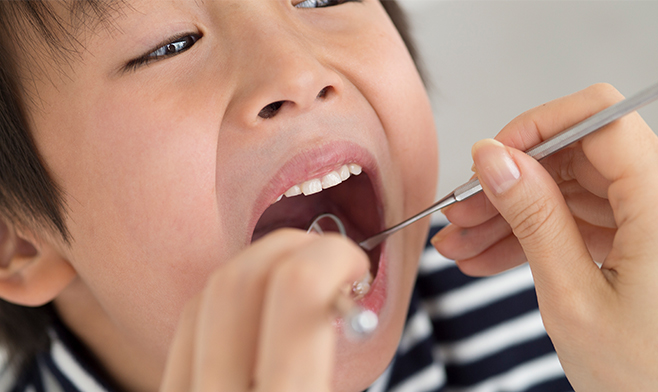
A periodontist diagnoses juvenile periodontitis through a comprehensive periodontal examination rather than symptoms alone. During the examination, the periodontist evaluates the health of the gums, measures periodontal pocket depths around each tooth, and checks for loss of attachment between the gums and teeth.
Dental X-rays are used to identify bone loss and evaluate its pattern and severity. The periodontist may also review the patient’s family history and previous dental records because early-onset periodontal disease can have a hereditary component. Combining these findings helps determine the extent and progression of the disease and the most appropriate treatment plan.
Juvenile Periodontitis vs. Gingivitis
Many people assume that bleeding gums simply indicate gingivitis. However, juvenile periodontitis is more serious because it affects the bone and connective tissues supporting the teeth.
| Gingivitis | Juvenile Periodontitis |
|---|---|
| Affects primarily the gums | Affects the gums, bone, and supporting tissues |
| Usually reversible with appropriate care | Can cause permanent attachment and bone loss |
| Rarely causes loose teeth | May cause teeth to loosen, shift, or separate |
| Often treated with professional cleanings and improved home care | Typically requires specialized periodontal treatment |
How Is Juvenile Periodontitis Treated?
Treatment depends on the severity and progression of the disease and how much damage has already occurred.
Treatment may include:
- Professional scaling and root planing, commonly known as deep cleaning
- Removal of bacterial deposits from below the gumline
- Antibiotics when clinically appropriate
- Improved daily brushing and flossing techniques
- Regular periodontal maintenance appointments
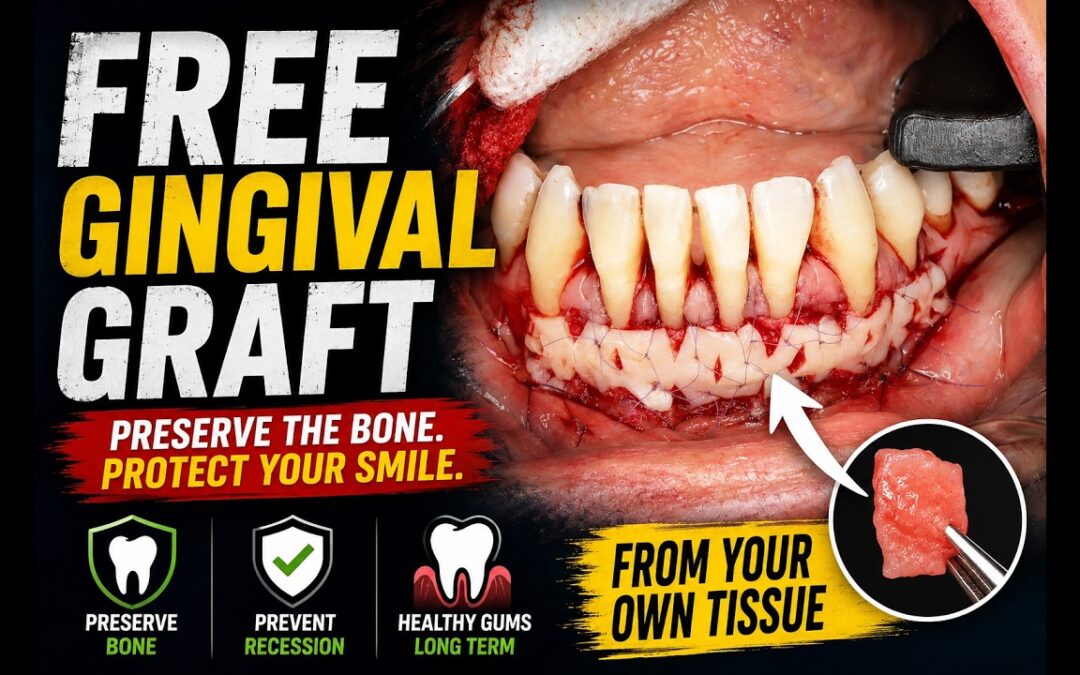
After initial treatment, the periodontist will reassess the gums to determine how well the tissues have responded. If deep pockets, active infection, or bone defects remain, surgical periodontal treatments or regenerative procedures may be recommended to reduce pocket depths and rebuild some of the damaged supporting structures when possible.
The earlier treatment begins, the better the opportunity to control the disease, preserve the natural teeth, and prevent additional bone loss.
Can Juvenile Periodontitis Be Prevented?
Juvenile periodontitis may not always be completely preventable because genetics and immune response can contribute to its development. However, routine dental care and early periodontal screenings can help identify the condition before significant damage occurs.
If gum disease runs in your family, regular dental visits and early periodontal evaluations are especially important. Juvenile periodontitis can progress quickly with few obvious symptoms, so identifying the disease early offers the best opportunity to prevent significant bone loss and preserve the natural teeth.
Additional preventive measures include:
- Practice good oral hygiene: Brush at least twice a day with fluoride toothpaste and floss daily to remove plaque and debris from between the teeth and along the gumline.
- Attend regular dental visits: Routine examinations and professional cleanings allow dental providers to monitor gum health and identify early signs of periodontal disease.
- Eat a balanced diet: A diet that includes fruits, vegetables, whole grains, lean proteins, and other nutrient-rich foods can support oral and overall health.
- Avoid tobacco products: Smoking and other forms of tobacco use can increase the risk and severity of periodontal disease.
- Ask about early screening: Children and young adults with a family history of early gum disease or tooth loss may benefit from earlier periodontal evaluations.
Good oral hygiene remains essential, but it cannot eliminate an inherited susceptibility to periodontal disease. Following treatment, ongoing periodontal maintenance helps monitor pocket depths, control bacteria, and reduce the risk of further disease progression.
Schedule a Periodontal Evaluation at Poway Perio
If you or your teenager are experiencing persistent bleeding gums, gum recession, loose teeth, new spaces developing between teeth, or other signs of periodontal disease, early evaluation is important.
Poway Perio provides specialized periodontal care for patients in Poway and surrounding communities. Our team can assess the health of your gums, review dental X-rays for signs of bone loss, and create a personalized treatment plan based on the severity and progression of the condition.
Whether treatment involves deep cleaning, ongoing periodontal maintenance, or advanced surgical care, Poway Perio focuses on controlling the disease, preserving natural teeth, and protecting long-term oral health.
Contact Poway Perio to schedule a periodontal evaluation.
Juvenile Periodontitis FAQs
Is Juvenile Periodontitis Hereditary?
Genetics can play an important role. Individuals with a family history of early periodontal disease or tooth loss may have a higher risk of developing juvenile periodontitis, making routine periodontal evaluations especially important.
Can Teenagers Develop Severe Gum Disease?
Yes. Although gingivitis is more common, some teenagers and young adults can develop rapidly progressing periodontal disease that damages the bone supporting the teeth. Bleeding gums, recession, loose teeth, or changes in tooth spacing should be evaluated promptly.
Can Juvenile Periodontitis Cause Permanent Tooth Loss?
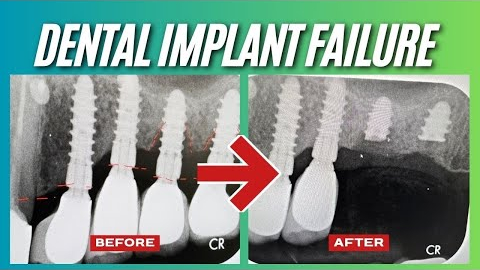
Yes. Without treatment, juvenile periodontitis can destroy the bone and connective tissues supporting the teeth. This can eventually cause tooth mobility and tooth loss. When a tooth cannot be preserved, dental implants may be considered as a replacement option.
Can Bone Loss From Juvenile Periodontitis Be Reversed?
Bone that has already been lost does not typically regenerate on its own. However, certain regenerative periodontal procedures may help rebuild some of the supporting bone and tissues in appropriate cases. The available treatment options depend on the location and severity of the damage.
How Often Should Someone With Juvenile Periodontitis Receive Maintenance Care?
The recommended schedule depends on the patient’s disease activity, treatment response, and risk of recurrence. Many patients with a history of periodontitis benefit from periodontal maintenance appointments approximately every three to four months following active treatment.