Gum recession can become more than a cosmetic concern when the tissue becomes thin, fragile, or severely pulled away from the teeth. In advanced cases, tooth roots may become exposed, the gumline may appear uneven, and the supporting bone may already be compromised.
For patients in Poway, Rancho Bernardo, Scripps Ranch, 4S Ranch, Escondido, and nearby North County San Diego communities, gum grafting may help rebuild stronger, more protective gum tissue. Even when complete root coverage is not predictable, treatment can still improve tissue stability, reduce sensitivity, and help preserve the natural teeth.
Watch: Learn how gum grafting can treat severe gum recession and rebuild protective gum tissue.
What Is Severe Gum Recession?
Severe gum recession occurs when the gum margin pulls away from the tooth and exposes a significant portion of the root surface. This can make teeth appear longer, create dark spaces between the teeth, and leave the exposed roots more vulnerable to sensitivity, plaque buildup, wear, and decay.
In advanced cases, gum recession may affect several teeth at once. The remaining gum tissue may also be too thin or unstable to adequately protect the underlying roots and bone.
Why Should Severe Gum Recession Be Treated?
When the gums recede, the tooth loses part of its natural protective barrier. The exposed root surface is softer than tooth enamel and may be more susceptible to sensitivity, decay, abrasion, and plaque accumulation.
Severe recession may also occur alongside gum disease and periodontal bone loss. When the tissues and bone supporting the teeth are weakened, long-term tooth stability may be affected.
Common signs of severe gum recession include:
- Exposed tooth roots
- Teeth that appear longer than before
- Thin or fragile gum tissue
- Dark spaces between the teeth
- Tooth sensitivity near the gumline
- Plaque or tartar buildup around exposed roots
- An uneven or receding gumline
- Bone loss around the teeth
Can Gum Grafting Cover Exposed Tooth Roots?
In mild or moderate cases, gum grafting may cover part or all of an exposed tooth root. However, complete root coverage may be less predictable when severe recession is accompanied by bone or tissue loss between the teeth.
In these advanced cases, the treatment goal may shift from cosmetic root coverage to strengthening and stabilizing the remaining gum tissue. This can still improve comfort, make the area easier to maintain, and reduce the risk of additional recession.
What Is Biotype Conversion?
Biotype conversion refers to changing thin, delicate gum tissue into thicker, more durable tissue through gum grafting. This is also sometimes described as increasing the thickness of the gingival phenotype.
Patients with naturally thin gum tissue may be more vulnerable to recession, irritation, and sensitivity. By creating a thicker tissue barrier, gum grafting can provide greater protection around the teeth and make daily brushing more comfortable.
The Main Goal of Gum Grafting for Severe Recession
For severe recession, gum grafting is often used to increase the amount and thickness of keratinized tissue. Keratinized tissue is the firm, protective gum tissue that surrounds and supports the teeth.
Increasing this tissue may help:
- Protect exposed tooth roots
- Improve comfort while brushing
- Make plaque removal easier
- Reduce the risk of additional recession
- Create a more stable gumline
- Help protect the remaining supporting bone
The goal is not always cosmetic. In many advanced cases, the primary purpose of treatment is to create a healthier and more stable foundation around the teeth.
View Poway Perio’s gum grafting before-and-after results to see examples of soft-tissue improvement.
How Does Gum Grafting Help Protect the Teeth and Bone?
Gum grafting thickens tissue in areas where the gums have become too thin to provide reliable protection. By creating a stronger band of attached gum tissue, the treatment area may become more stable, comfortable, and easier to keep clean.
This can be especially important when recession is accompanied by bone loss. Gum grafting does not automatically replace lost bone, but strengthening the surrounding tissue may help protect the remaining periodontal structures and reduce the risk of further breakdown.
Why Does Blood Supply Matter During Gum Grafting?
A gum graft requires an adequate blood supply to heal and integrate successfully. Graft tissue placed over an area with limited blood flow may have a lower chance of surviving.
For severe recession cases, the treatment site must be carefully prepared before the graft is positioned. This creates a healthy recipient site, sometimes called a vascular bed, where the graft can receive nutrients, attach to the surrounding tissue, and heal properly.
The amount of existing bone, the condition of the surrounding gum tissue, and the size and shape of the recession all influence the treatment plan and expected outcome.
Where Does Gum Graft Tissue Come From?
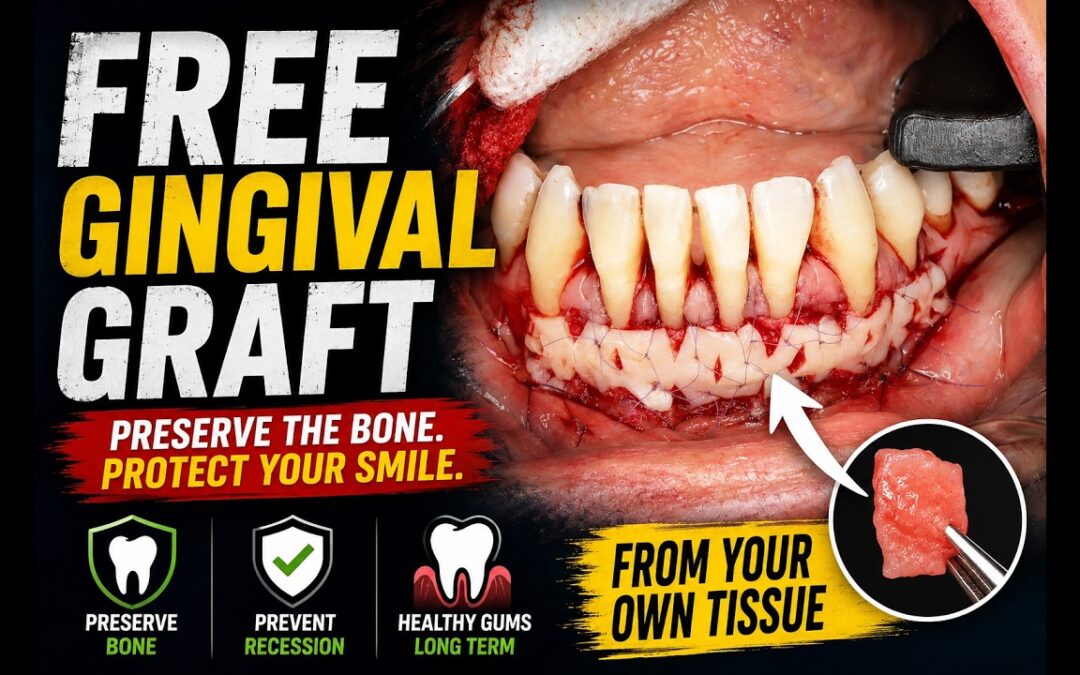
In many procedures, connective tissue is taken from beneath the surface of the palate and placed over the area affected by recession. Tissue from the palate is commonly used because it can provide a strong and predictable source of graft material.
Other grafting materials may also be considered depending on the number of teeth being treated, the patient’s anatomy, and the goals of the procedure.
When recession affects a larger area, the graft may need to be carefully shaped and positioned to create an even, stable layer of protective tissue.
What Should You Expect After Gum Grafting?
Healing after gum grafting occurs gradually. During the first stage, the graft attaches to the treatment site and begins developing a new blood supply. The tissue then continues to mature, strengthen, and blend with the surrounding gumline over the following weeks and months.
Some patients may experience gradual tissue improvement through a process known as creeping attachment. This refers to slight movement of the gum margin toward the exposed root as the tissue matures after treatment. The amount of improvement varies and cannot be guaranteed.
Following the post-treatment instructions is important because brushing directly over the graft too soon, plaque buildup, smoking, or trauma to the area can interfere with healing.
For more details about the recovery process, review these gum graft healing and recovery tips.
How Can You Protect Your Results After Gum Grafting?
Long-term success depends on controlling the factors that contributed to the recession and keeping the treatment area healthy.
Helpful steps include:
- Use a soft-bristle toothbrush and gentle brushing technique
- Clean between the teeth daily as directed
- Avoid smoking and tobacco products
- Wear a night guard when teeth grinding contributes to tissue stress
- Complete any recommended treatment for periodontal disease
- Attend regular periodontal maintenance appointments
Your maintenance schedule will depend on your periodontal health, recession risk, and treatment history.
When Should Severe Gum Recession Be Evaluated?
Gum recession often progresses gradually, so changes may not be obvious at first. Schedule a periodontal evaluation if you notice:
- Exposed tooth roots
- Increasing tooth sensitivity
- Teeth that appear longer
- An uneven or changing gumline
- Dark spaces developing between teeth
- Bleeding or inflammation near areas of recession
- Difficulty brushing because the gums feel thin or tender
- Recession that continues to worsen
Early evaluation may provide more treatment options and improve the likelihood of protecting the exposed roots before additional tissue or bone is lost.
Severe Gum Recession Treatment in Poway, CA
Poway Perio provides specialized care for patients with severe gum recession, exposed roots, thin gum tissue, and periodontal bone loss. During your evaluation, the periodontal team will assess the depth and location of the recession, tissue thickness, remaining bone support, tooth position, and other factors that may affect treatment.
For advanced recession, treatment may focus on strengthening the gum tissue and protecting the remaining bone rather than completely covering every exposed root. A personalized approach can create a healthier, more stable foundation around the teeth and reduce the risk of future tissue breakdown.
Poway Perio serves patients throughout Poway, Rancho Bernardo, Scripps Ranch, 4S Ranch, Carmel Mountain Ranch, Rancho Peñasquitos, Escondido, and surrounding North County San Diego communities.
If you are noticing exposed roots, tooth sensitivity, a changing gumline, or worsening recession, schedule a gum recession consultation to discuss your treatment options.
Frequently Asked Questions About Severe Gum Recession
What Causes Severe Gum Recession?
Severe gum recession may be related to naturally thin gum tissue, periodontal disease, bone loss, plaque and tartar accumulation, aggressive brushing, tobacco use, tooth position, orthodontic movement, or tension from the lip and cheek muscles.
Can Gum Grafting Fix Severe Gum Recession?
Gum grafting can often improve the thickness, strength, and stability of the gum tissue. In advanced cases, the goal may be to protect the remaining bone and prevent further recession rather than completely cover every exposed root.
Will Gum Grafting Cover All Exposed Roots?
Not always. Complete root coverage is less predictable when there is significant bone or soft-tissue loss between the teeth. However, gum grafting may still improve tissue thickness, comfort, appearance, and long-term stability.
What Is Biotype Conversion?
Biotype conversion is the process of using gum grafting to change thin, delicate gum tissue into thicker and more durable tissue.
Why Is Thicker Gum Tissue Important?
Thicker gum tissue may be more resistant to irritation and recession. It can also make brushing more comfortable and provide greater protection for the exposed roots and remaining supporting structures.
Where Does Gum Graft Tissue Come From?
Graft tissue is often taken from beneath the surface of the palate. Other donor materials may be used in certain cases depending on the treatment area and the patient’s needs.
How Long Does Gum Graft Healing Take?
Initial healing generally occurs over the first few weeks, but the tissue may continue to strengthen and mature for several months. The exact timeline depends on the procedure and the number of areas treated.
What Is Creeping Attachment?
Creeping attachment is a gradual movement of the healed gum margin toward the exposed root after grafting. It may occur during tissue maturation, but the amount varies among patients.
Can Plaque and Tartar Affect Gum Graft Results?
Yes. Plaque and tartar can cause inflammation and interfere with long-term tissue health. Consistent home care and professional maintenance are important for protecting the grafted area.
Where Can I Get Gum Grafting in Poway, CA?
Poway Perio provides gum recession evaluations and gum grafting for patients in Poway and nearby North County San Diego communities. You can contact Poway Perio directly to have your gum tissue, recession severity, and bone support professionally evaluated.