Dental implants are one of the most reliable and long-lasting solutions for replacing missing teeth. While implants cannot develop cavities, the gum tissue and bone surrounding them can still become inflamed or infected. If left untreated, this infection, known as peri-implant disease, can damage the supporting bone and may eventually lead to implant failure.
Recognizing the early signs of a dental implant infection and seeking treatment promptly can help preserve the implant and protect your long-term oral health.
What Is a Dental Implant Gum Infection?
A dental implant gum infection is generally associated with one of two peri-implant conditions:
- Peri-implant mucositis: Inflammation that affects the gum tissue surrounding an implant without progressive bone loss.
- Peri-implantitis: Inflammation around an implant accompanied by progressive loss of the supporting bone.
Peri-implant mucositis is often considered an earlier and potentially reversible condition. If inflammation continues and supporting bone begins to deteriorate, the condition may progress to peri-implantitis.
Like gum disease around natural teeth, peri-implant disease is associated with bacteria that trigger inflammation. The key difference is that peri-implant disease affects the tissues surrounding a dental implant rather than a natural tooth.
Signs and Symptoms of a Dental Implant Infection
Early peri-implant disease may cause few noticeable symptoms. Bleeding around the implant may be one of the first warning signs, particularly while brushing, flossing, or during a periodontal examination.
Possible signs and symptoms include:
- Red, swollen, or tender gums around the implant
- Bleeding when brushing or flossing near the implant
- Pus or drainage around the implant
- Persistent bad breath or an unpleasant taste
- Gum recession around the implant
- Increasing periodontal pocket depth
- Pain or discomfort while chewing
- Visible implant threads
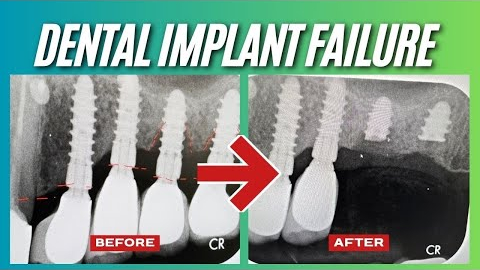
- Progressive bone loss visible on dental X-rays
- A loose implant or implant-supported restoration
Peri-implantitis usually begins with inflammation in the gum tissue surrounding the implant. As the condition progresses, it can damage the bone that supports the implant.
Advanced peri-implantitis may cause more noticeable symptoms, but early disease can be easy to overlook. Bleeding, redness, or tenderness may only become apparent when pressure is applied during brushing, flossing, or a professional examination.
A loose implant is not usually an early symptom. It may indicate advanced bone loss, a problem with the implant restoration, or another complication that requires prompt evaluation.
What Causes a Dental Implant Gum Infection?
Peri-implant disease develops when harmful bacteria accumulate around a dental implant and trigger inflammation in the surrounding gum tissue. If the inflammation is not treated, it can gradually damage the bone supporting the implant.
Factors that may increase the risk of a dental implant infection include:
- Poor plaque removal around the implant
- Irregular professional cleanings or maintenance visits
- A previous history of periodontal disease
- Smoking or other tobacco use
- Poorly controlled diabetes
- A difficult-to-clean implant restoration
- Excess dental cement remaining below the gumline
- Improper implant positioning
- Teeth grinding or excessive biting forces
- Insufficient gum tissue surrounding the implant
Patients with a history of periodontal disease may have a higher risk of developing peri-implantitis and should be monitored closely following implant placement.
Although good oral hygiene is essential, peri-implant disease is not always caused by home-care habits alone. The design of the restoration, implant position, overall health, and individual risk factors can also affect the health of the surrounding tissue.
How Is Peri-Implantitis Diagnosed?
A periodontist diagnoses peri-implant disease by examining the gum tissue, measuring pocket depths around the implant, and checking for bleeding or pus during gentle probing.
Dental X-rays may be compared with earlier images to determine whether bone loss has occurred or progressed. The periodontist may also evaluate:
- Implant stability
- Gum recession
- Plaque and tartar accumulation
- The shape and accessibility of the implant restoration
- The patient’s history of periodontal disease
- Changes in bone levels over time
Diagnosis is based on a combination of clinical inflammation and changes in the bone supporting the implant. An X-ray alone does not provide the complete picture.
Because early peri-implant disease may develop without significant pain or discomfort, routine examinations are often the best way to identify inflammation before irreversible bone loss occurs.
How Is an Infected Dental Implant Treated?
Treatment depends on whether the condition is limited to inflammation of the gum tissue or has progressed to supporting bone loss.
Early peri-implant mucositis may often be managed by removing plaque and bacterial deposits from the implant surface, improving home care, and correcting factors that make the area difficult to clean.
Treatment for peri-implant disease may include:
- Professional cleaning and mechanical debridement
- Implant-surface decontamination
- Improved brushing and interdental cleaning techniques
- Antimicrobial rinses or medications when appropriate
- Adjustment or replacement of a difficult-to-clean restoration
- Removal of excess dental cement
- Laser treatment in selected cases
- Surgical access to clean the implant surface
- Bone grafting or regenerative treatment in appropriate cases
- Removal of the implant when it cannot be predictably saved
Antibiotics may be used in certain situations, but they are generally not a substitute for physically removing bacterial buildup and treating the affected implant surface.
When bone loss is present, surgical periodontal treatment may be needed to gain access to the implant surface, reduce infection, and address damaged bone or soft tissue.
The recommended treatment depends on how much inflammation and bone loss are present. Early intervention is often less invasive and offers the greatest opportunity to control the infection and preserve the implant.
Can an Infected Dental Implant Be Saved?
In many cases, an infected implant can be treated, especially when the problem is detected before extensive bone loss or implant mobility occurs.
Preserving the implant is generally the preferred goal whenever it can be accomplished predictably. Whether the implant can be saved depends on:
- The amount and pattern of bone loss
- Whether the implant remains stable
- The accessibility of the implant surface
- The design and position of the implant
- The patient’s overall risk factors
- The response to initial treatment
If the implant has lost substantial bone support or has become mobile, removal may be necessary. After the area heals, bone grafting or future implant replacement may be considered depending on the health and structure of the treatment site.
How Can You Prevent a Dental Implant Gum Infection?
The most effective way to help prevent peri-implantitis is through consistent home care and regular professional periodontal maintenance. Although dental implants cannot decay like natural teeth, the surrounding gum tissue and bone still require ongoing care to remain healthy.
Helpful preventive measures include:
- Brush at least twice daily using a soft-bristle toothbrush
- Clean carefully along the implant gumline
- Floss or use implant-safe interdental cleaners daily
- Use a water flosser when recommended
- Avoid smoking and tobacco products
- Manage conditions that may affect healing, such as diabetes
- Attend regular professional cleanings and implant evaluations
- Report bleeding, swelling, or changes around an implant promptly
The ideal maintenance schedule depends on your history of gum disease, the health of your implant, and your individual risk factors. Some patients may be monitored every six months, while higher-risk patients may benefit from more frequent periodontal maintenance visits.
Dental implants cannot develop cavities, but the surrounding gums and bone remain vulnerable to bacterial inflammation. For additional guidance, review these dental implant aftercare and maintenance tips.
Dental Implant Infection Treatment at Poway Perio
If you are noticing bleeding, swelling, discomfort, gum recession, or other changes around a dental implant, early treatment can make a significant difference. The periodontal team at Poway Perio specializes in diagnosing and treating peri-implant disease before it leads to extensive bone loss or implant failure.
Using detailed clinical examinations, dental imaging, and personalized treatment planning, Poway Perio provides comprehensive care ranging from professional implant cleaning and non-surgical therapy to regenerative procedures and advanced surgical treatment when necessary. Our goal is to preserve your dental implant whenever possible while protecting the surrounding gum tissue, supporting bone, and long-term oral health.
Whether your implant was placed recently or many years ago, the Poway Perio team can evaluate the health of the implant and determine the most appropriate next steps. Learn more about our dental implant services or contact Poway Perio to schedule a comprehensive implant evaluation for patients in Poway and the surrounding San Diego communities.
Dental Implant Infection FAQs
Can a Dental Implant Infection Heal on Its Own?
No. Persistent inflammation or infection around an implant generally requires professional evaluation and treatment. Early peri-implant mucositis may be easier to manage, but untreated inflammation can progress and damage the supporting bone.
Is Bleeding Around a Dental Implant Normal?
Minor bleeding may occur shortly after implant surgery while the tissue is healing. Bleeding that begins later, continues, or regularly occurs while brushing and flossing may indicate inflammation around the implant and should be evaluated.
Does Peri-Implantitis Always Cause Pain?
No. Peri-implantitis may progress without significant pain, especially during its early stages. Bleeding, swelling, gum recession, or bone loss may develop before the implant becomes uncomfortable or loose.
Can Bone Loss Around an Implant Be Repaired?
Some bone defects may be treated with regenerative procedures depending on their size, shape, location, and the condition of the implant. Poway Perio offers bone grafting procedures to rebuild lost bone in appropriate cases.
How Often Should Dental Implants Be Professionally Cleaned?
The ideal cleaning schedule depends on your oral health, history of periodontal disease, implant condition, and personal risk factors. Many patients are seen every six months, while patients at greater risk for peri-implant disease may need professional maintenance every three to four months.
Can I Get Another Dental Implant After an Infected Implant Is Removed?
In many cases, another implant may be possible after the infection has been treated and the area has healed. Some patients may require bone grafting or tissue regeneration before a replacement implant can be placed.