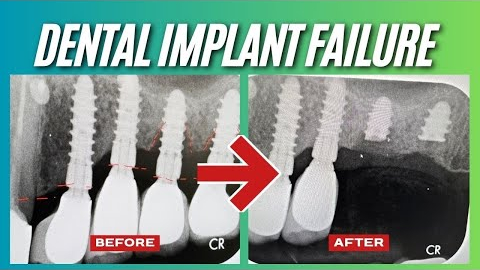
Dental implants are designed to be a long-term solution—but when bone loss occurs or implants are placed in challenging conditions, complications can develop. In more advanced situations, implants may loosen, become unstable, or even fracture, requiring removal and reconstruction before replacement.
For patients in Poway, CA, these cases can seem complex, but modern periodontal techniques often make it possible to rebuild the area and successfully place new implants.
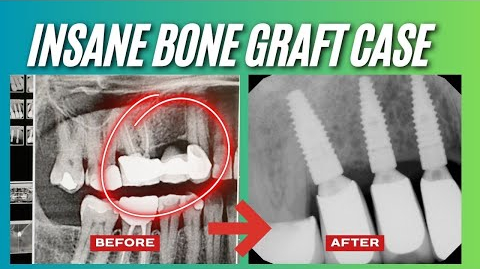
Watch: Learn how advanced sinus lift and bone grafting techniques are used to restore implants in areas with severe bone loss.
What Causes Dental Implant Failure?
Dental implant failure is typically the result of multiple factors working together over time.
Common causes include:
- Bone loss around the implant
- Improper implant size or positioning
- Excessive bite pressure
- Inflammation or infection
When implants lack adequate support or are exposed to long-term stress, they can weaken and eventually fail.
To better understand early warning signs, you can explore gum infections on dental implants.
Why Bone Loss Around Implants Is a Serious Problem
Bone loss weakens the foundation that supports a dental implant. As the bone continues to deteriorate, the implant can become unstable and more difficult to maintain.
In the upper jaw, this becomes even more complex because implants are often positioned near the sinus cavity. Limited bone height in this area can make both placement and repair more challenging.
That’s why ongoing care, including periodontal maintenance, is critical for protecting long-term implant health.
Why Implant Removal Can Be Complex
When an implant fails or fractures, removal is not always straightforward—especially in areas near the sinus.
Challenges may include:
- Limited access to the implant
- Proximity to sensitive structures like the sinus
- Risk of complications if fragments are displaced
Because of this, removal often requires a controlled surgical approach to safely access and clean the area before reconstruction.
The Solution: Sinus Lift and Bone Grafting
To rebuild the area and prepare for new implants, a sinus lift combined with bone grafting is often used.
A sinus lift works by gently raising the sinus membrane and placing bone beneath it. This creates the height needed to support dental implants in areas where bone has been lost.
This technique is one of the most effective ways to restore bone in the upper jaw.
How Bone Is Rebuilt for Implant Placement
Restoring the bone foundation often involves a combination of techniques designed to promote healing and stability.
These may include:
- Cleaning and preparing the site after implant removal
- Creating space for bone regeneration
- Placing grafting material to rebuild lost volume
- Supporting healing with biologic materials like PRF
“Sticky bone,” which combines grafting material with platelet-rich fibrin, can improve handling and enhance healing by using the body’s natural growth factors.
Why Implant Size and Position Matter
Proper implant planning is essential for long-term success.
Implants that are too small, too short, or placed in areas with insufficient bone support are more likely to fail over time, especially under high bite pressure.
Modern treatment planning focuses on placing implants in the ideal position and using appropriate size and support to handle daily function.
To learn more, visit the dental implants page.
The Most Critical Step: Healing and Soft Tissue Closure
Even with advanced bone grafting techniques, healing is what ultimately determines success.
One of the most important factors is tension-free soft tissue closure:
- The gums must fully cover the graft
- The area must remain protected during healing
- Exposure must be avoided
Because the sinus area is especially sensitive and prone to infection, proper closure is critical. If the site reopens too early, it can expose the graft and compromise the entire procedure.
Dental Implant Repair in Poway, CA
For patients in Poway and nearby areas such as Rancho Bernardo, Scripps Ranch, and Escondido, even complex implant failures can often be successfully treated with advanced periodontal care.
At Poway Perio, treatment focuses on restoring both the bone and soft tissue needed for long-term implant stability. By combining techniques like sinus lifts, bone grafting, and guided implant placement, many patients have options—even after implant failure.
Patients can also explore real outcomes on the before-and-after dental implant page.
If you’ve experienced implant issues or have been told your case is complex, you can schedule a consultation to review your options.
How to Know If You Need Implant Repair
You may need an evaluation if you notice:
- Pain or discomfort around implants
- Bleeding or swelling
- Changes in bite or chewing ability
- X-rays showing bone loss
Early treatment can often prevent more extensive procedures later. At Poway Perio, patients receive a comprehensive evaluation using advanced imaging and a personalized treatment plan designed to restore both function and long-term stability. Whether the solution involves targeted gum therapy, bone grafting, or full implant reconstruction, the focus is on preserving your oral health and preventing future complications.
FAQs: Failed Dental Implants and Bone Grafting
What causes dental implants to fail?
Implants can fail due to bone loss, infection, poor placement, or excessive pressure over time. Learn more about gum infections on dental implants.
Can a failed dental implant be replaced?
Yes. In many cases, the implant can be removed, the area rebuilt with bone grafting, and a new implant placed.
What is a sinus lift procedure?
A sinus lift adds bone to the upper jaw by lifting the sinus membrane, making space for implants.
Is it dangerous to remove implants near the sinus?
It can be complex, but with proper technique and planning, it can be done safely.
How long does it take to recover from a sinus lift?
Healing typically takes several months before final restoration.
What is “sticky bone”?
It’s a mixture of bone graft material and growth factors (PRF) that improves handling and healing.
Why do implants break?
Implants can fracture if they are too thin, too short, or placed in areas with high bite pressure.
Can bone grow back after implant failure?
Yes, with procedures like bone grafting, bone can be rebuilt to support new implants.
How can I prevent implant failure?
Regular cleanings and ongoing periodontal maintenance help prevent complications.
Where can I get dental implant repair in Poway?
You can contact Poway Perio to schedule an evaluation and discuss treatment options.