Gum disease is more common than many people realize, and its early stages can be surprisingly easy to miss. While most people associate it with red, swollen gums or occasional bleeding while brushing, gum disease can begin without obvious pain or discomfort. Instead, it may progress gradually through subtle changes that are easy to overlook or dismiss.
From persistent bad breath that will not go away to teeth that begin feeling slightly out of place, the early signs of gum disease can appear in unexpected ways. Left untreated, periodontal disease can lead to gum recession, bone loss, shifting teeth, and eventually tooth loss.
At Poway Perio, serving Poway and the surrounding San Diego communities, we specialize in the early detection and treatment of gum disease. Understanding these hidden warning signs can help you take action while treatment is generally simpler and before permanent damage develops.
What Are the Early Warning Signs of Gum Disease?
The early signs of gum disease are often subtle and easy to dismiss. Unlike a sudden toothache or visible cavity, periodontal symptoms usually develop gradually—but they should not be ignored.
Common early warning signs include:
- Bleeding while brushing or flossing: Frequent bleeding may indicate inflammation along the gumline.
- Swollen, tender, or red gums: Inflamed gums may appear puffy, darker than usual, or sensitive to pressure.
- Persistent bad breath: Odor that returns despite good oral hygiene may indicate bacteria beneath the gums.
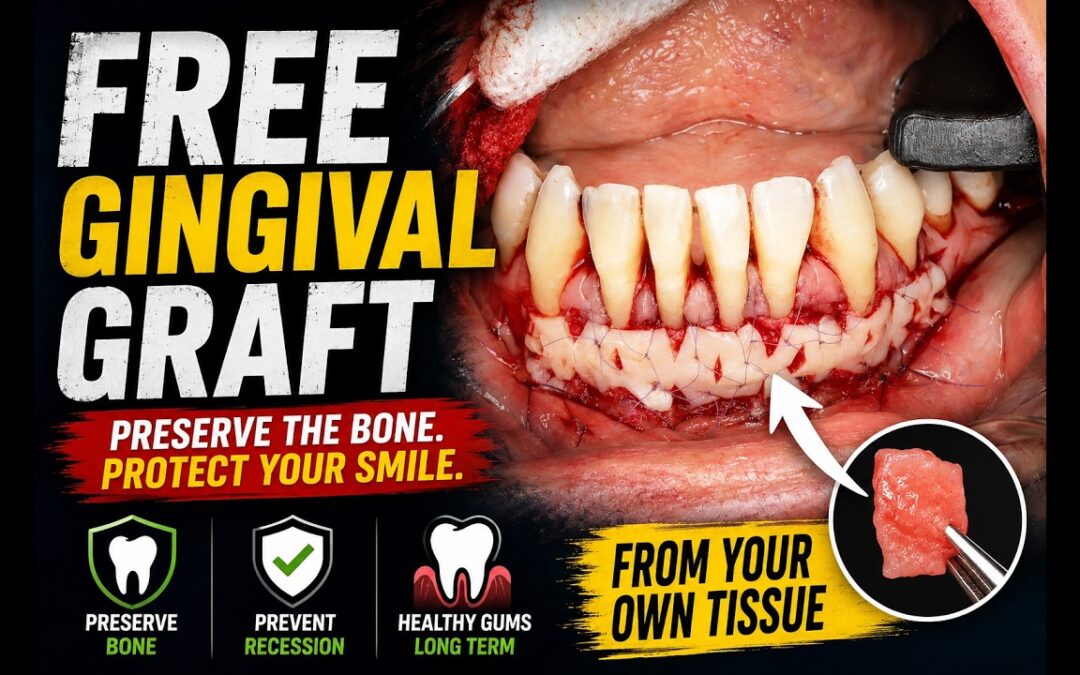
- Gum recession: The gums may begin pulling away from the teeth, making the teeth appear longer.
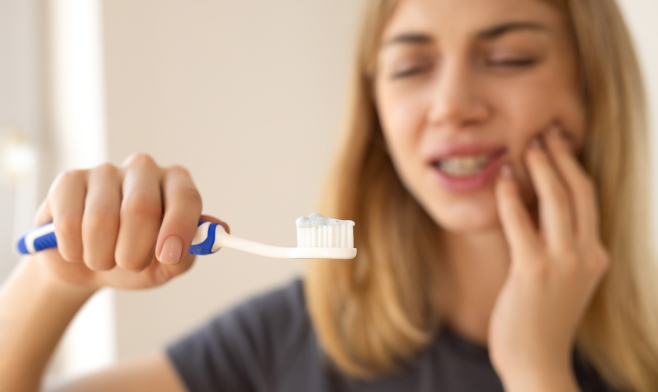
- Increased tooth sensitivity: Exposed tooth roots caused by recession may become sensitive to hot or cold foods.
- Changes in tooth spacing: New gaps or movement may indicate weakening of the tissues and bone supporting the teeth.
- Changes in your bite: Your teeth may no longer come together in the same way when you chew.
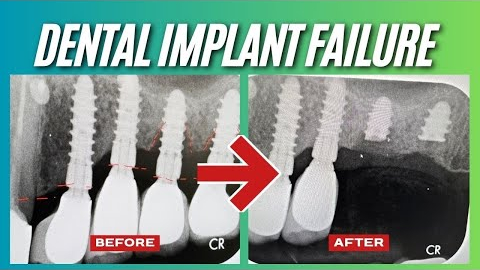
Bleeding, swelling, or persistent bad breath may also indicate an infection around a dental implant, not only gum disease affecting natural teeth.
These symptoms may indicate gingivitis, the earliest stage of gum disease. Gum inflammation can also be influenced by factors such as orthodontic appliances and hormonal changes. These symptoms may indicate gingivitis, the earliest stage of gum disease. Gum inflammation can also be influenced by factors such as orthodontic appliances and hormonal changes. During pregnancy, these hormonal changes can contribute to pregnancy-related gingivitis, including increased bleeding, redness, and swelling. Learn more about the connection between braces and gum inflammation.
If gingivitis is not treated, it can progress into periodontitis, a more serious condition that damages the connective tissues and bone supporting the teeth. Genetics may also influence susceptibility and progression in some patients.
Gingivitis can often be reversed with professional care and improved home hygiene. Once periodontitis causes permanent bone or attachment loss, however, brushing and flossing alone cannot reverse the damage.
Can You Have Gum Disease Without Pain?
Yes. Gum disease can progress without causing significant pain, especially during its early stages. Some patients have deep periodontal pockets or early bone loss while noticing only mild bleeding, occasional sensitivity, or persistent bad breath.
Because discomfort is not a reliable measure of periodontal health, routine dental examinations are important. Periodontal measurements and dental X-rays can reveal changes that may not otherwise be visible or noticeable.
How Bad Breath Can Be a Sign of Gum Disease
Bad breath is not only a social concern—it can also be a sign of an oral health problem. While occasional bad breath after eating certain foods is normal, chronic halitosis may point to bacteria accumulating beneath the gumline.
As gum disease develops, bacteria settle within periodontal pockets where toothbrushes and floss cannot easily reach. These bacteria can release odor-producing compounds that continue to cause bad breath even after brushing or using mouthwash.
Persistent bad breath is not always caused by gum disease. Dry mouth, tooth decay, diet, medications, and certain health conditions may also contribute. However, when bad breath occurs alongside bleeding, swelling, tenderness, or recession, a periodontal evaluation can help identify the cause.
Professional periodontal treatment can remove bacterial buildup from areas that cannot be adequately cleaned at home. If bad breath persists despite consistent brushing and flossing, do not ignore it.
Why Receding Gums May Be Easy to Miss
Gum recession often develops gradually, making it one of the easiest periodontal changes to overlook. You may notice that one tooth appears longer than neighboring teeth, the gumline looks uneven, or part of the tooth root has become visible.
Receding gums can be related to periodontal disease, aggressive brushing, thin gum tissue, tobacco use, tooth positioning, or other factors. When recession is caused by periodontitis, it may occur alongside deep periodontal pockets and bone loss.
Exposed tooth roots may also become sensitive and more vulnerable to decay. Early evaluation can help identify the cause of recession and determine whether treatment is needed to prevent it from progressing.
Receding gums can be related to periodontal disease, aggressive brushing, thin gum tissue, tobacco use, tooth positioning, or other factors. Understanding treatment options for gum recession can help protect exposed roots and prevent additional tissue loss.
Why Shifting or Loose Teeth May Signal Gum Problems
Your permanent teeth should not begin moving without an underlying reason. While shifting or loose teeth are sometimes assumed to be orthodontic concerns, they may indicate that the foundation supporting your smile has weakened.
As gum disease progresses, it can damage the ligaments and bone that keep the teeth securely anchored. This may cause teeth to shift, become loose, or form new gaps. Some patients also notice that their bite feels different or that their teeth no longer meet in the same way while chewing.
These changes are more than cosmetic concerns. They may indicate advanced periodontal damage and an increased risk of tooth loss. In appropriate cases, regenerative procedures such as bone grafting may help rebuild some of the lost supporting structure.
If you notice new spacing, changes in your bite, or teeth that feel unstable while eating or speaking, schedule a periodontal evaluation promptly.
Is Jaw Pain a Sign of Gum Disease?
Jaw pain is not one of the most common early signs of gum disease, and it can have several different causes. Teeth grinding, temporomandibular joint problems, sinus pressure, muscle strain, tooth infections, and impacted teeth may all cause discomfort in the jaw.
Advanced periodontal disease may sometimes contribute to pain while chewing or tenderness near affected teeth, particularly when significant infection, inflammation, or tooth mobility is present. However, jaw pain alone is not enough to determine that gum disease is the cause.
A periodontal problem may be more likely when jaw discomfort occurs alongside other symptoms such as:
- Bleeding or swollen gums
- Gum recession
- Loose or shifting teeth
- Pus between the teeth and gums
- Persistent bad breath
- Pain while chewing
A comprehensive evaluation can determine whether the discomfort is connected to periodontal disease or another dental condition.
How Is Gum Disease Diagnosed?
Gum disease cannot be diagnosed based on symptoms alone. During a periodontal examination, the periodontist evaluates the gums and the structures supporting each tooth.
The examination may include:
- Measuring the spaces between the teeth and gums
- Checking for bleeding during gentle probing
- Evaluating gum recession and exposed tooth roots
- Checking for loose or shifting teeth
- Reviewing dental X-rays for signs of bone loss
- Discussing smoking, medications, health conditions, and family history
These findings help determine whether the condition is gingivitis or periodontitis and how far the disease has progressed.
When Should You See a Periodontist?
Knowing when to see a periodontist can make an important difference in protecting your long-term oral health. While general dentists provide essential routine care, persistent or advanced gum symptoms may require specialized evaluation.
Consider seeing a periodontist if you experience:
- Bleeding gums that continue despite improved home care
- Persistent bad breath or an unpleasant taste
- Gum recession or teeth that appear longer
- Loose or separating teeth
- Changes in your bite
- Pus or drainage around the gums
- Known bone loss on dental X-rays
- Recurring periodontal disease
Periodontists have advanced training in preventing, diagnosing, and treating conditions affecting the gums and supporting bone. Depending on the severity of the disease, treatment may include professional cleaning, scaling and root planing, regenerative procedures, or surgical care.
At Poway Perio, Dr. Khansari and his team evaluate gum health, bone levels, bite changes, and other risk factors to create a personalized treatment plan.
How Can You Reduce Your Risk of Gum Disease?
Good daily oral hygiene is essential, but it is only one part of maintaining healthy gums.
Helpful preventive steps include:
- Brush twice daily using a soft-bristle toothbrush
- Floss or clean between the teeth every day
- Attend regular dental examinations and professional cleanings
- Avoid smoking and other tobacco products
- Manage health conditions such as diabetes
- Report bleeding, recession, or tooth movement promptly
- Follow the recommended maintenance schedule after periodontal treatment
Patients with a history of periodontitis may require professional care more frequently than the traditional twice-yearly cleaning schedule.
Schedule a Gum Disease Evaluation at Poway Perio
Gum disease does not always cause obvious pain. Persistent bad breath, bleeding gums, recession, tooth movement, and bite changes may indicate that inflammation or damage is developing beneath the surface.
Poway Perio provides comprehensive periodontal evaluations and personalized treatment for patients in Poway and surrounding San Diego communities. Our team examines the gums, measures periodontal pockets, reviews bone levels, and recommends treatment based on the severity and progression of the condition.
Early care can help control infection, preserve supporting bone, and protect your natural teeth. Contact Poway Perio to schedule a professional periodontal evaluation.
Frequently Asked Questions About Gum Disease Symptoms
What Are the Subtle Signs of Gum Disease?
Subtle signs may include bleeding while brushing or flossing, persistent bad breath, gum sensitivity, recession, or changes in tooth spacing. These symptoms can appear before significant pain develops, which is why they are commonly overlooked.
Can Gum Disease Make My Teeth Move?
Yes. As periodontitis progresses, it damages the bone and connective tissues that hold the teeth in place. This can cause shifting, new gaps, bite changes, or loose teeth.
Is Bad Breath Always Related to Gum Disease?
No. Bad breath can have several causes. However, odor that persists despite brushing, flossing, and mouthwash may be related to bacterial buildup beneath the gums, particularly when bleeding or swelling is also present.
Can Gingivitis Be Reversed?
Yes. Gingivitis can often be reversed because it has not yet caused permanent loss of supporting bone or connective tissue. Professional cleaning and consistent brushing and flossing may restore gum health when the condition is treated early.
How Does a Periodontist Treat Early Gum Disease?
Treatment depends on whether inflammation is limited to the gums or has progressed below the gumline. Gingivitis may improve with professional cleaning and better home care. Periodontitis may require deep cleaning, antimicrobial treatment, or other periodontal procedures.
How Often Should Someone With Gum Disease Receive Professional Care?
The appropriate schedule depends on the severity of the condition and the risk of recurrence. Patients with a history of periodontitis often benefit from periodontal maintenance every three to four months after active treatment.
Do I Need a Referral to Visit Poway Perio?
No referral is required. You can contact Poway Perio directly if you have symptoms, have previously been diagnosed with gum disease, or would like a second opinion.